

BLOG POST

5 Practical Ways to Make Your Events More Inclusive

inclusive events
Updated October 2026 | 4-min. read
inclusive events

Creating Events Where Everyone Feels Welcome

Are you committed to creating a sense of belonging and equality in every event you design?

A welcoming event is not defined by who was invited. It’s defined by whether people feel they belong once they arrive.

Organizations bring people together to inform, influence, celebrate, and connect. But if attendees have to question whether they’ll feel safe, represented, or respected, the experience has already created friction before it begins.
That’s why inclusive event design requires intention across the full attendee journey, from destination and venue selection to registration, language, programming, staffing, and support.

Tip #1: Ensure Your Location is Inclusive

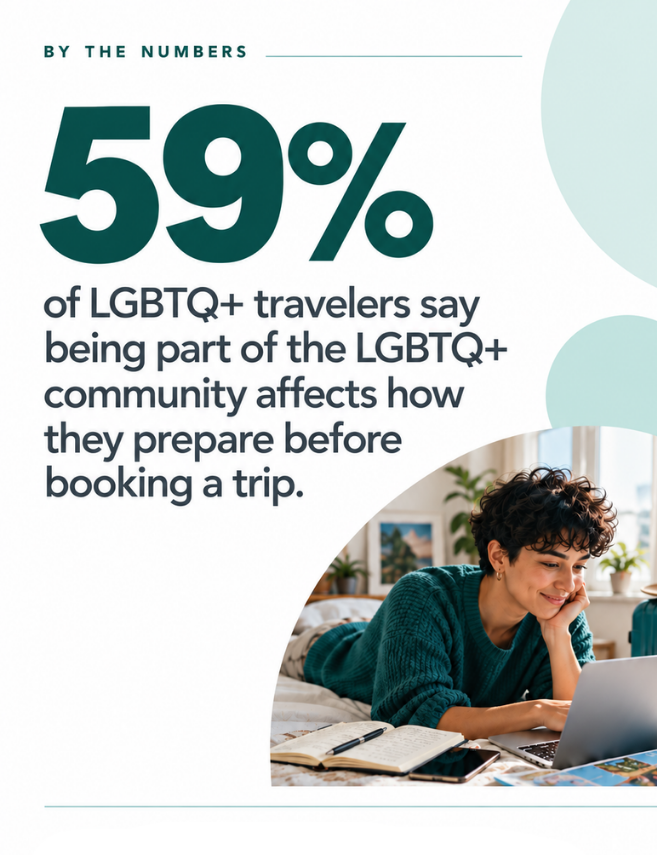
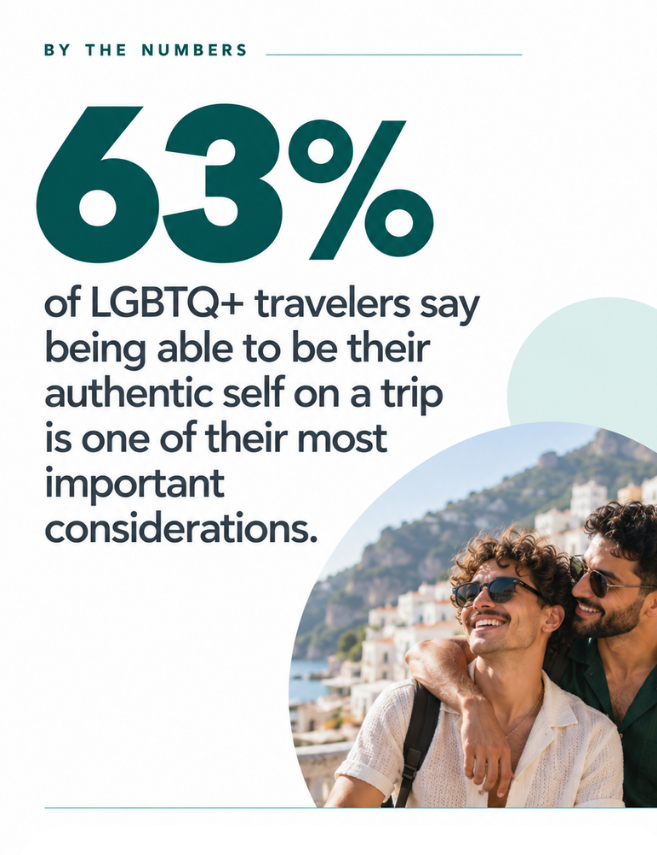
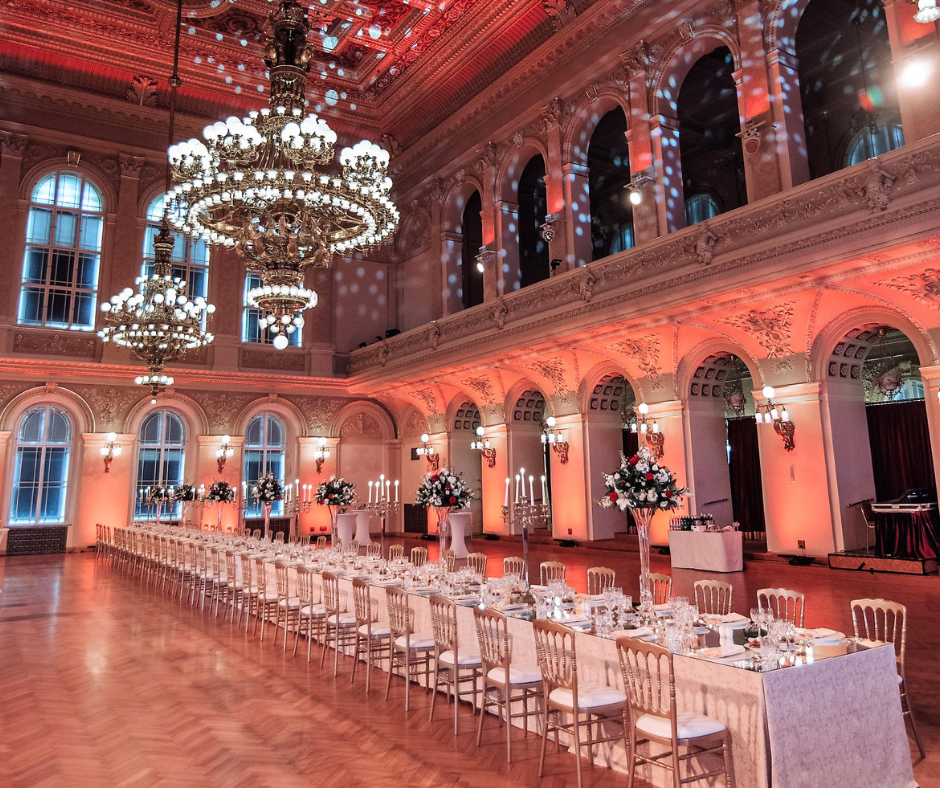
Choosing your event’s location is especially important when it comes to planning an LGBTQ+ inclusive event. If your event is at an international destination, do your research and know which locations are “friendliest to all.” When evaluating a venue, consider the location, the attitude, and the accessibility. Will your attendees feel comfortable and safe during your event? Are there gender-neutral restroom options? Did you check on privacy, local laws/policies, transportation, and whether attendees can move through the destination comfortably and safely? It’s important to find a venue that will not only accommodate your event’s needs but also make everyone feel welcome, so take the time to make informed decisions.

inclusive events

Tip #2: Let Your Attendees Know that Diversity and Inclusion Matters

Make sure your attendees know they’re safe at your event no matter who they love or identify as, so they’ll feel welcome to attend. Promote diversity and inclusion in every aspect of your event, including marketing materials, event activities, and entertainment to create a sense of community and celebration. Ensure that the speakers and performers at your event are representative of the LGBTQ+ community, which can help attendees feel seen and supported.

(Bonus: this can also provide educational opportunities for those who may not be as familiar with the community.)

Use gender-neutral language and offer attendees the option to share their pronouns during the registration process to be respectful of everyone’s identity. Instead of using phrases like “ladies and gentlemen,” consider using phrases like “guests” or “friends.” Similarly, avoid making assumptions about someone’s gender identity based on their appearance or name.

Tip #3: Make Expectations Clear

During planning, consider setting a zero-tolerance policy and communicate it to your attendees, hotel staff, and any security staff on-site. This will ensure everyone is prepared to act accordingly if they see or hear something inappropriate. Have a designated point of contact at your event desk (or available via text) who can address concerns and answer regarding inclusion – you want your guests to feel that they have a safe person to go to. 

Tip #4: Bring Lived Experience into the Planning Process

Another amazingly easy suggestion — integrate the LGBTQ+ community into your event. Learn from diverse perspectives and be ready to challenge your own biases. Representation matters, and when guests can see themselves as a part of your event, they’re more likely to be engaged. Partner with local LGBTQ+ organizations to help plan and promote your event — this can help you ensure the event is inclusive and relevant to the community. You might just make a few new friends too!

inclusive events

Tip #5: Advocate for Inclusivity

Consider providing educational resources at your event, such as information about the history of the community, relevant community resources and context, and resources for support. Events are a great method for educating and raising awareness about the LGBTQ+ community — don’t miss this opportunity to advocate for inclusivity.

Creating inclusive events is an ongoing process. We only grow by living and learning, so be open to feedback from your attendees to learn how to adapt your next event into a more inclusive experience for all.

Organizations bring people together to inform, influence, celebrate, and connect. But if attendees have to question whether they’ll feel safe, represented, or respected, the experience has already created friction before it begins.

That’s why inclusive event design requires intention across the full attendee journey, from destination and venue selection to registration, language, programming, staffing, and support.

Read Content

large sales event with people gathered in a restaurant setting

The Complete Guide to Sales Meeting Event Strategy

A strong sales meeting starts long before the agenda is built. This guide explores how corporate event strategy can help enterprise teams align around business priorities, design for engagement, create space for connection, and measure what actually changes after the meeting.

Irish dancer performing on a table amongst attendees at an event

Psychology of Novelty & Event Experience Design

Novelty does more than capture attention. Rooted in behavioral science, it can spark curiosity, strengthen memory, and turn recognition into an experience that feels meaningful long after the moment ends.