




BLOG POST

The Psychology and Power of Novelty: Why the Unexpected Ignites Engagement in Events

Novelty does more than capture attention. Rooted in behavioral science, it can spark curiosity, strengthen memory, and turn recognition into an experience that feels meaningful long after the moment ends.

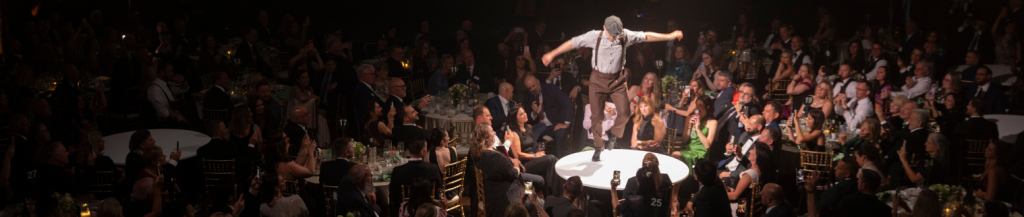
Irish dancer performing on a table amongst attendees at an event
Updated October 2026 | 4-min. read
Event attendee participating in falconry

Why Novelty Matters

At their best, incentive programs and corporate events aren’t just about recognition or checking off logistical boxes; they’re about people. They’re about providing experiences that move audiences, disrupt routines, and remind employees why their work matters.

When an event creates a lasting impression, that spark isn’t random. It’s rooted in behavioral science. A truly transformative novelty experience shapes how people feel, what they retain, and how their behavior changes long after they return home.

event attendees riding in side cars

The Psychology of Novelty

Novelty is the quality of being new, unexpected, or intentionally different.  It’s what makes us pause, look twice, and lean in.

In behavioral science, the psychology of novelty is directly tied to the brain’s dopamine system—the same neural pathway that drives curiosity, learning, and motivation. When attendees encounter something unfamiliar:

  • Senses heighten, and environmental awareness sharpens
  • The brain drops its standard filters and disrupts daily “autopilot”
  • Curiosity opens participants up to new perspectives, messages, and strategic alignment


While achievement and incentives drive initial motivation, novelty sustains it. For today’s high-achieving professionals, novelty isn’t about extravagance for its own sake; it’s about meaning. It is the catalyst that turns a standard corporate gathering into a pivotal moment of growth.

Shifting from Event-Oriented Thinking to Strategic Experience Design

To unlock the full potential of novelty, organizations must shift away from standard event-oriented thinking.

When design replaces traditional event planning, a novelty experience stops being a gimmick or a momentary visual flourish and becomes a strategic tool to drive real organizational goals.

Learn more about event experience design

Synchronized swimming featuring 4 women dancing in the water at an event

How Novelty and Purpose Work Together

Novelty reawakens attention and emotion, but that energy alone isn’t enough. Purpose gives that new energy direction.

In experience design, novelty sparks initial curiosity, while strategic purpose transforms that heightened state into sustained engagement and measurable ROI. When structuring experiences, our teams focus on three principles:

  1. Balance Comfort with Curiosity: The most memorable attendee moments happen just beyond the edge of the familiar.

  2. Design for Active Discovery: Immersive, hands-on touchpoints anchor curiosity into real retention better than passive presentations ever can.

  3. Connect Every “Wow” Moment to “Why”: Ensure the unexpected elements directly reinforce the organization’s core message or strategic objective.

In Practice: Turning Novelty into Meaningful Outcomes

A novelty experience is most powerful when it is actively lived, not passively observed.

For example, consider the Origin Program: an immersive, values-driven incentive experience designed to bring a brand’s coffee story to life:

  • The Experience: Rather than presenting slides in a ballroom, participants walked coffee fields, met local growers, and explored how every step impacted sustainability and quality.

  • The Interaction: Alongside local artisans, attendees roasted, tasted, and crafted their own custom blend, experiencing the brand narrative firsthand.

  • The Result: Participants returned to their roles as passionate brand advocates, actively inspiring their teammates and driving customer engagement.

By designing around audience motivations and business objectives, the program transformed a recognition reward into a powerful driver of long-term brand alignment.

close up of person's hands gently picking coffee bean berries

The Strategic Value for Your Organization

For participants, a thoughtfully designed novelty experience transforms recognition into lasting memory. It is the difference between a trip simply taken and an experience that redefines belonging and purpose.

When rooted in the psychology of novelty, strategic experiences help organizations move key indicators:

  • Employee sentiment and internal alignment
  • Message retention and knowledge application
  • Brand perception and advocacy
  • Relationship deepening and long-term commercial opportunity
a distant view of elephants in their habitat on an an african safari

Final Thoughts

In a world where attention is fleeting, novelty isn’t a flourish, it’s a force. It captures attention, fuels emotion, and helps people reconnect with purpose. When done well, novelty doesn’t just surprise people, it changes how they see, hear, feel, and remember. That’s the quiet power of something new.

At Creative Group, we design these moments with intention, pairing behavioral insights with human emotion to create journeys that celebrate achievement and inspire what’s next. Because in the end, small actions create big impact, especially when those actions open the door to something new.

Read Content

large sales event with people gathered in a restaurant setting

The Complete Guide to Sales Meeting Event Strategy

A strong sales meeting starts long before the agenda is built. This guide explores how corporate event strategy can help enterprise teams align around business priorities, design for engagement, create space for connection, and measure what actually changes after the meeting.

Irish dancer performing on a table amongst attendees at an event

Psychology of Novelty & Event Experience Design

Novelty does more than capture attention. Rooted in behavioral science, it can spark curiosity, strengthen memory, and turn recognition into an experience that feels meaningful long after the moment ends.