BLOG POST

The Complete Guide to Sales Meeting Event Strategy

A strong sales meeting starts long before the agenda is built. This guide explores how corporate event strategy can help enterprise teams align around business priorities, design for engagement, create space for connection, and measure what actually changes after the meeting.

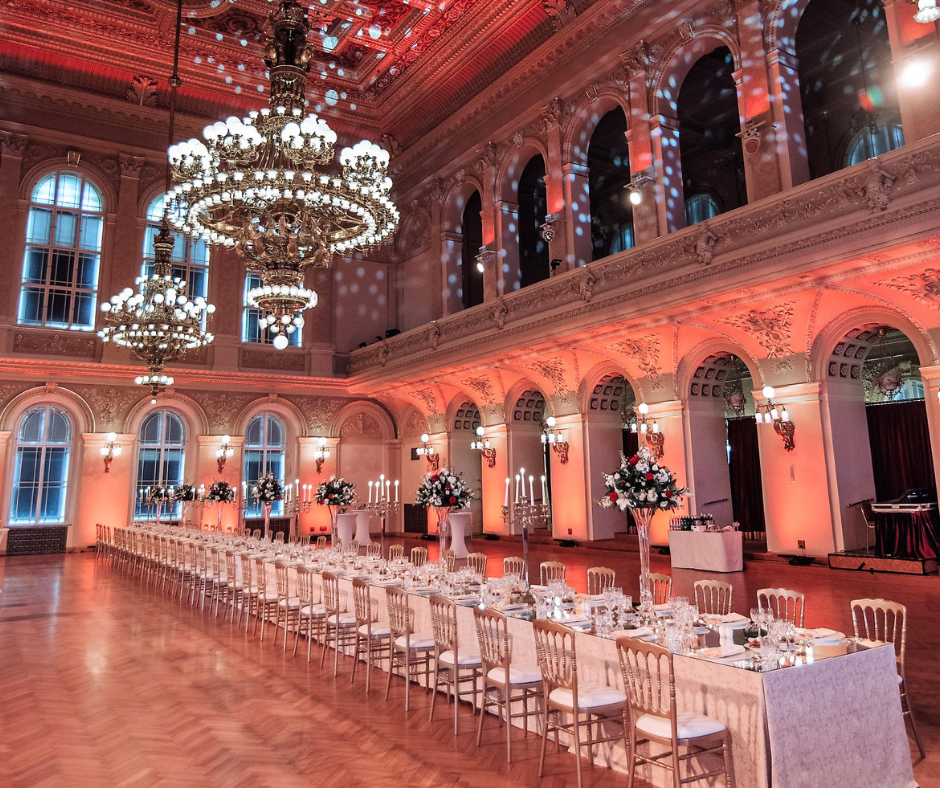
large sales event with people gathered in a restaurant setting
October 2026 | 9-minute read
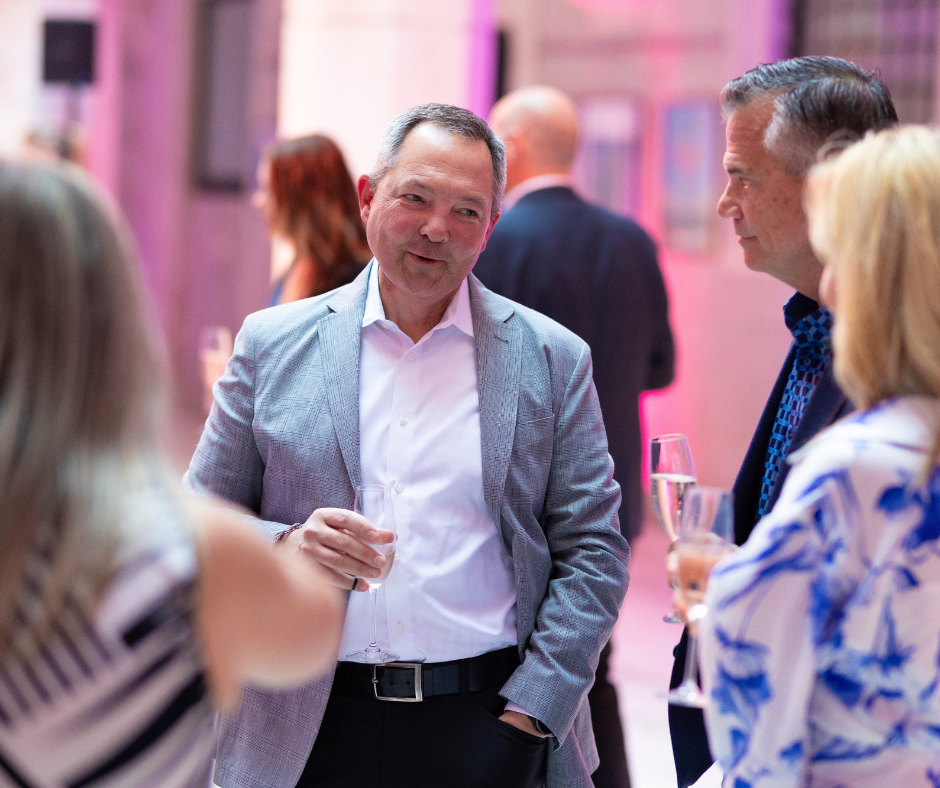
people gathered around, standing and chatting at a sales event

How to Design a Sales Meeting or Kickoff that Aligns People, Strengthens Engagement, and Helps Move the Business Forward

A strong corporate event strategy connects business priorities, audience needs, content, engagement, and measurement into one intentional experience.

For sales meetings and SKOs, that means getting clear on what the business needs the meeting to accomplish before the agenda, production, and logistics are locked. 

It’s easy to jump straight into destination, agenda, and production.

But the better place to start is with the business need behind the meeting:

What does the business need this meeting to change?

For many organizations, fall is when next year’s sales meetings start moving from a date on the calendar to an actual plan. The decisions made now can shape everything that follows, from destination and agenda to content, production, engagement, and measurement. 

The goal isn’t simply to kick off the year.

It’s to give people what they need to move it forward.

Start With the Business Need

A sales meeting strategy connects the organization’s business goals with the experience being created for attendees.

It defines what the meeting needs to accomplish, who is in the room, what those people need, and what should be different after they leave. That strategy can influence business alignment, sales readiness, product knowledge, leadership communication, collaboration, motivation, recognition, culture, behavior change, and measurement.

The strongest corporate event strategy starts by getting clear on the outcome before moving into execution.

Strategy gives every event decision a reason.

Without it, even a beautifully produced meeting can start to feel like a series of sessions connected by coffee breaks.

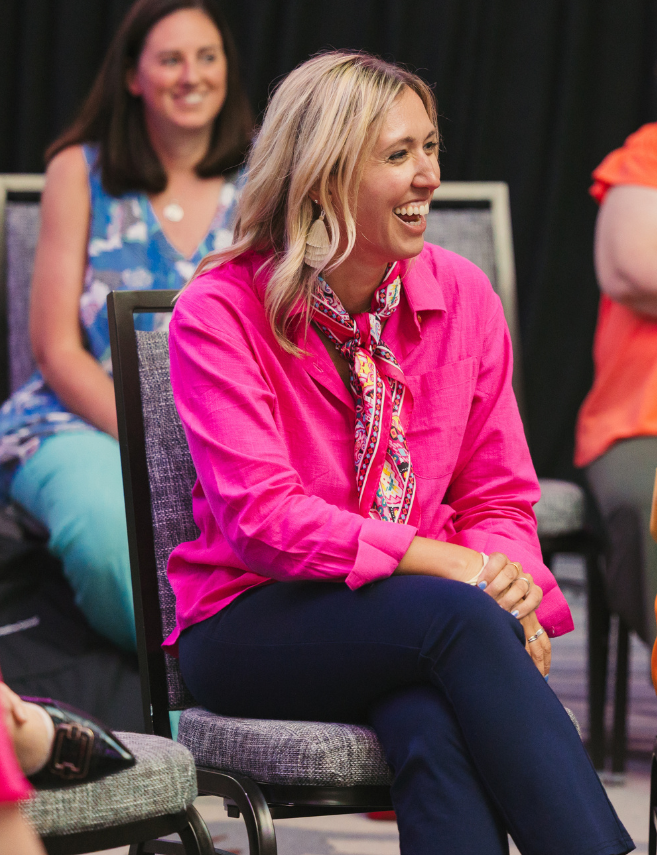
woman sitting in circle of breakout session at sales meeting event

Planning conversations often move quickly into logistics:

Where should we go?
Who should speak?
What should the evening event look like?
How many general sessions do we need?

Those questions matter. They just come later.

The first job of a sales meeting is to serve the business.

Maybe the organization is entering a new market. A new product is launching. Teams need to sell differently. Confidence is low. Leadership needs greater alignment around the priorities for the year ahead.

The meeting should be designed around that reality.

If the business needs stronger collaboration, a day of presentations alone probably won’t get you there.

If the goal is greater confidence, attendees need more than information.

If sales behavior needs to change, people need a chance to practice, not just listen.

“The first question isn’t, ‘What should be on the agenda?’
It’s, ‘What does the business need this meeting to change?‘”

Know Who’s in the Room, and What They Need

A sales organization is rarely one audience.

Different roles, regions, experience levels, business units, performance levels, and learning needs may all be sitting in the same room.

A new seller may need confidence and clarity.

A tenured seller may need a fresh challenge.

A regional leader may need tools to reinforce the message with their team afterward.

Someone in operations or customer success may need a clearer understanding of how their role supports revenue. 

Designing for an “average attendee” can miss those differences.

A more useful question is:

What does each audience need from this experience that they cannot get from an email, deck, or Teams call?

That’s where being together starts to earn its value. 

From there, define what people should know, feel, and do as a result of the meeting.

Those outcomes become a filter for the experience.

If something on the agenda does not support what people need to know, feel, or do, it is fair to ask whether it belongs there.

QUESTIONS TO CONSIDER

  • What does the business need from this audience after the meeting?
  • What does the audience need from the organization?
  • Where is there currently confusion, friction, or lack of confidence?
  • What behaviors would indicate the meeting actually made a difference?

Build the Experience Around the Outcome

A good agenda is not simply a schedule.

It has a sequence.

Attendees should move through the experience with greater understanding, confidence, and readiness than they had when they arrived.

That’s where being together starts to earn its value.

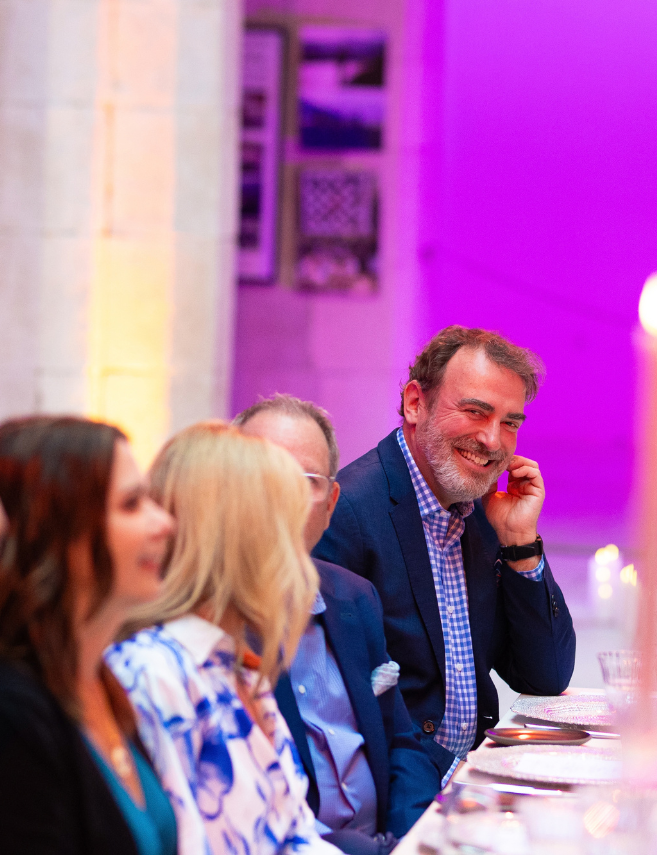
sales team members at a table enjoying dinner and company
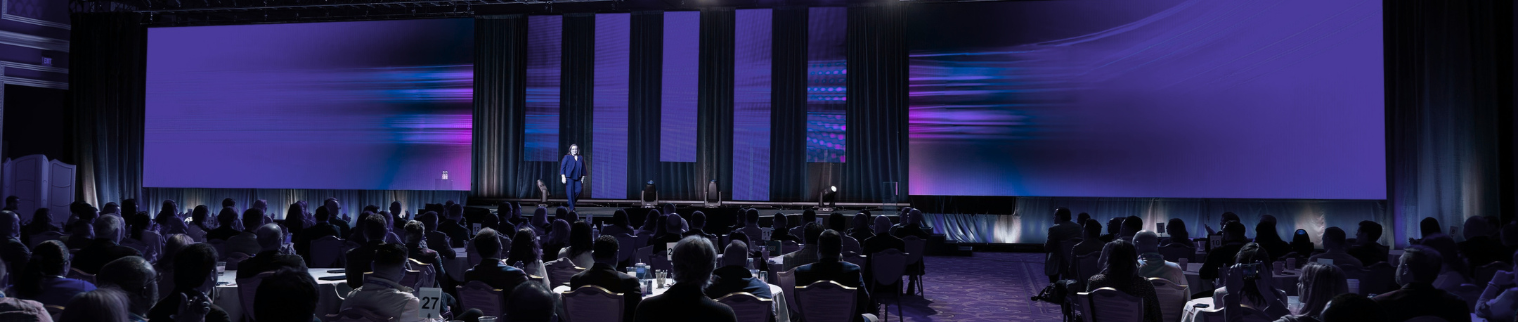
meeting session in a dramatically lit auditorium setup

Build an Experience, Not Just an Agenda

A good agenda has a sequence.

Attendees should move through the experience with greater understanding, confidence, and readiness than they had when they arrived.

Start by helping people understand where the organization is going and why.

Then deepen their understanding, give them opportunities to participate, let them practice what they will need to do differently, create time for relationships and peer learning, and finish with clarity around what happens next.

This is also where content discipline matters.

There is always another update, another leader who wants stage time, another topic that feels important enough to squeeze in, another slide deck.

But attendees only have so much attention to give.

An agenda packed from breakfast through dinner may look efficient, but it can work against understanding, connection, and retention.

People need time to process what they heard.

They need time to talk, time to connect the message to their own work, a little breathing room.

Sometimes the most strategic decision is removing something.

A useful editing question:

Does this deserve attendees’ time?

Good event planning makes the meeting run.

Good strategy makes the meeting matter.

Design for Participation, Not Just Interaction

A poll does not automatically make a session engaging.

Neither does a game, live Q&A, or asking people to turn to the person next to them.

Engagement comes from relevance.

People pay attention when they understand why something matters to them and when they have a meaningful role in the experience.

That might include:

  • Peer-led conversations
  • Customer stories
  • Live problem-solving
  • Workshops
  • Scenario-based learning
  • Product demonstrations
  • Role-playing
  • Leadership conversations

The format should follow the job the content needs to do.

If people need to know something, a presentation may work.

If they need to understand it more deeply, conversation may help.

If they need to do something differently afterward, they probably need to practice it.

Interaction gets people doing something.

Engagement gives them a reason to care.

Connection works the same way.

Bringing people together does not automatically create it. It creates the opportunity for it.

Cross-functional seating, peer discussions, hosted introductions, collaborative sessions, shared experiences, and smaller conversations can make it easier for people to build relationships beyond their immediate teams.

But not every moment needs to be programmed.

Sometimes the conversation over coffee is the one someone remembers.

Or the walk back from a breakout.

Or dinner with a colleague from another market.

White space is not wasted space.

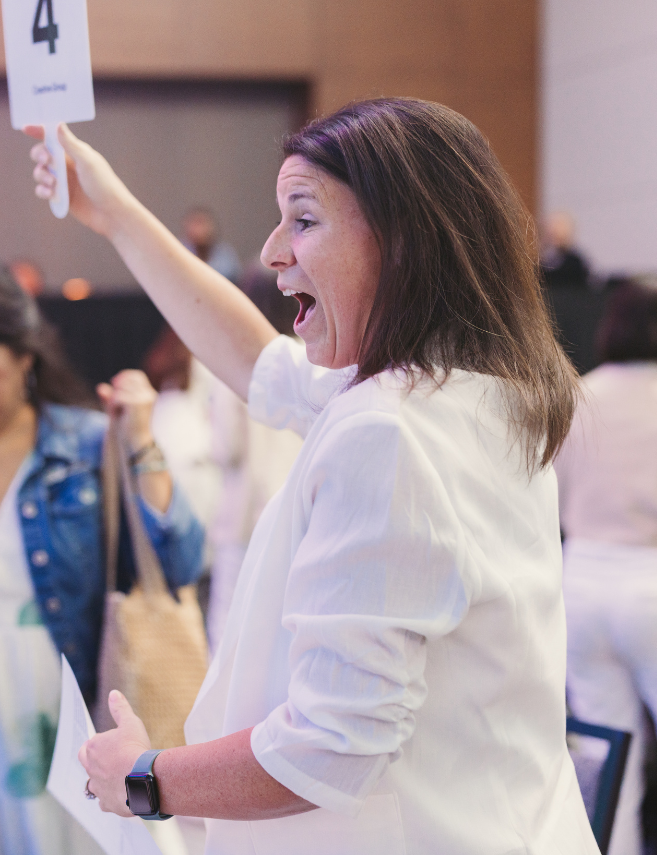
sales meeting meet and greet with people reaching out to shake hands

Use Leadership and Recognition to Reinforce What Matters

Sales meetings are one of the few times employees may have meaningful access to senior leaders.

That opportunity matters.

People are not only listening to what leaders say from the stage. They are noticing what gets prioritized, what gets acknowledged, how candid leaders are, who gets recognized, and whether the message matches what employees experience every day.

A polished keynote can communicate direction.

A candid conversation can build trust.

Strong meetings often make room for both.

Think beyond the main stage.

Smaller discussions, hosted tables, open Q&A, informal conversations, and leadership participation throughout the event can make the experience feel much more connected.

Recognition can reinforce the same message.

Awards may be part of it, but recognition can go further.

The stories you tell, the behaviors you celebrate, and the people you put in the spotlight all send signals about what the organization values.

That might include:

  • Peer recognition
  • Customer impact stories
  • Team accomplishments
  • Progress milestones
  • Quieter moments of appreciation


The strongest recognition helps people understand not only who succeeded, but what success looks like here.

For business meetings designed to align and motivate teams, those signals matter.

Let Data Sharpen the Strategy

Good strategy should not rely on instinct alone.

Previous event feedback, registration behavior, sales performance data, employee engagement results, session participation, polling, app activity, and leadership feedback can all help shape smarter decisions.

The goal isn’t to collect more data.

It’s to ask better questions.

  • Where are the knowledge gaps?
  • Which topics create the most interest?
  • Where are people disengaging?
  • What are they using after the meeting?
  • What changed?

And some of the most useful signals may be happening right in the room.

  • Where do people stay longer than expected?
  • Which conversations continue after a session ends?
  • What questions keep coming up?

Think Beyond the Live Meeting

A sales kickoff may happen once a year.

The strategy shouldn’t.

Instead of treating the live meeting as an isolated moment, consider what should happen before, during, and after it.

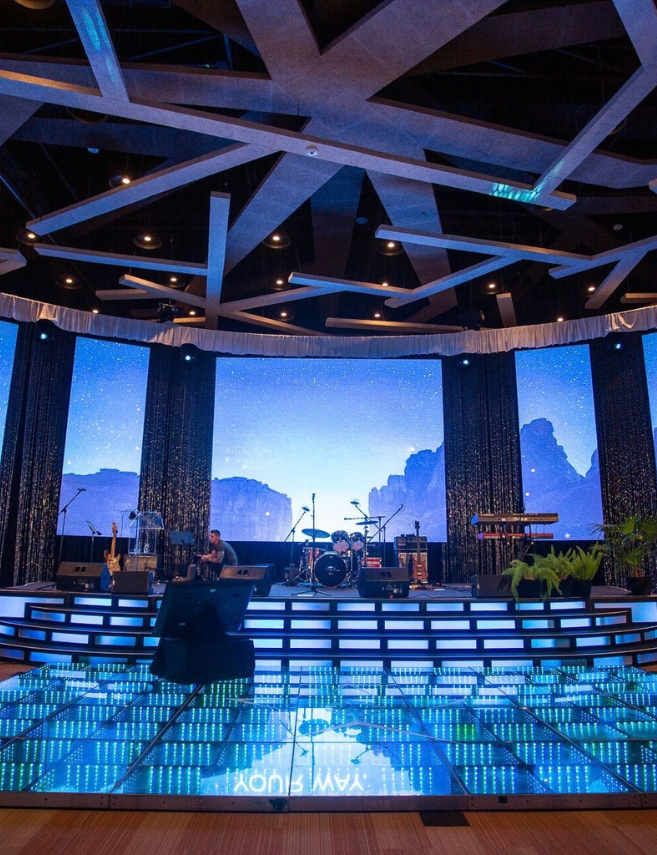
stage setup at a sales meeting with blue lights and a blue lighted floor

If the event creates energy but nothing supports that energy once people go home, much of the value can fade.

The live meeting can be the catalyst.

The organization still has to carry the change forward.

That is also why sales conference planning should begin early enough for strategy to shape the experience.

For large enterprise sales meetings, strategy should be established before detailed production and logistics decisions are locked.

For an early-year kickoff, fall is often when many of the most important conversations should already be happening: business objectives, budget, audience needs, stakeholder alignment, destination and venue requirements, and the outcomes the meeting is expected to influence.

The larger and more complex the meeting, the earlier those conversations should begin.

The point isn’t simply to start early.

It’s to start with the right questions.

Once major decisions are locked, the experience becomes harder, and often more expensive, to change. 

Decide How You’ll Know It Worked

Attendance is easy to measure.

Impact takes more thought.

The right measures should connect back to the reason the meeting exists.

If the goal is alignment, look at clarity and understanding.

  • If the goal is learning, look at knowledge, confidence, and application.
  • If the goal is connection, look at collaboration, relationships, and engagement.
  • If the goal is behavior change, define the behaviors you want to influence and determine whether they appear after the meeting.

Not every corporate event can prove a direct line to revenue.

That does not mean measurement stops with, “Did you enjoy the event?”

A better question is, “Did the meeting move the things we designed it to move?”

Frequently Asked Questions

A corporate event strategy connects an organization’s business priorities with the audience experience. It defines what the meeting needs to accomplish, what attendees need, and what should be different as a result.

Sales meeting planning should consider business objectives, audience needs, content, agenda design, leadership involvement, engagement, recognition, production, communications, measurement, and post-event reinforcement.

For larger enterprise programs, sales conference planning should begin early enough for strategy to influence major decisions around budget, destination, agenda, production, and measurement. The more complex the meeting, the earlier those strategic conversations should happen.

Start with relevance. Use formats that match the job the content needs to do, and give attendees meaningful opportunities to participate, practice, connect, and contribute.

Start with the business outcome the event was designed to influence. Then identify the audience, behavioral, and business signals that would demonstrate movement toward that goal.

The Creative Group Perspective

This article was developed by Creative Group Marketing in collaboration with our Strategy and Experience Design experts. It reflects decades of experience designing meetings, events, incentive travel programs, and engagement strategies for leading organizations.

Our approach starts by understanding both the business challenge and the people being asked to help solve it.

From there, strategy, content, experience design, creative, production, technology, logistics, and measurement can work toward the same outcome.

Because a sales meeting should not feel like several days of presentations connected by coffee breaks.

It should feel like one intentionally designed experience with a job to do.

Planning a Sales Meeting?

Start with the business need.

Understand the people in the room.

Get clear on what should change.

Then design from there.

Read Content

large sales event with people gathered in a restaurant setting

The Complete Guide to Sales Meeting Event Strategy

A strong sales meeting starts long before the agenda is built. This guide explores how corporate event strategy can help enterprise teams align around business priorities, design for engagement, create space for connection, and measure what actually changes after the meeting.

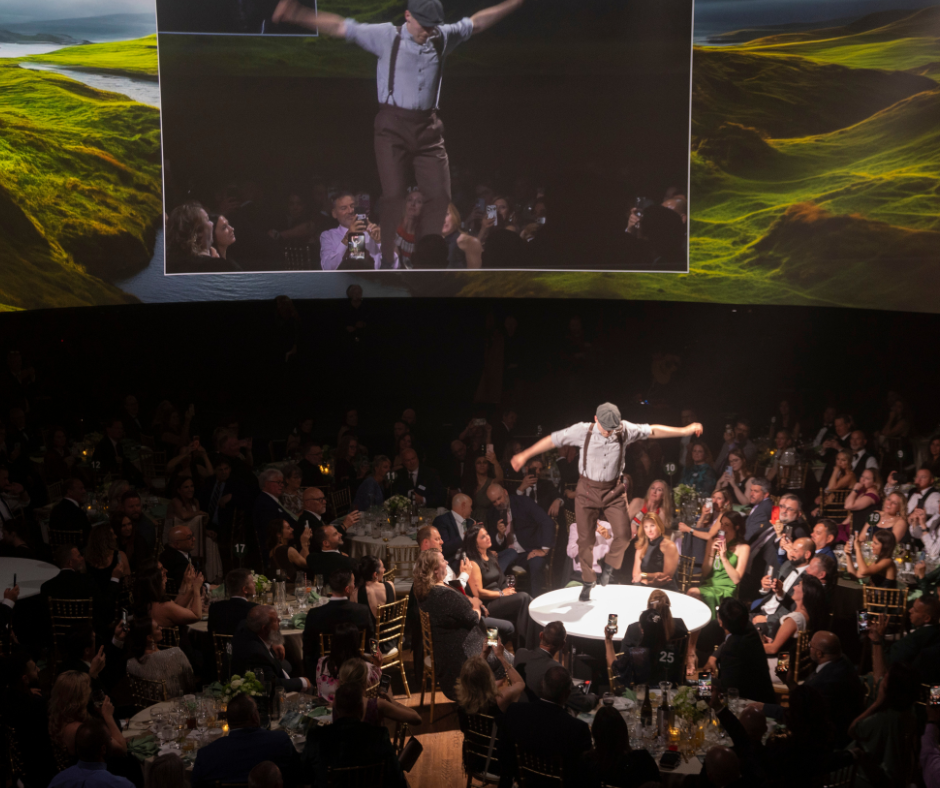
Irish dancer performing on a table amongst attendees at an event

Psychology of Novelty & Event Experience Design

Novelty does more than capture attention. Rooted in behavioral science, it can spark curiosity, strengthen memory, and turn recognition into an experience that feels meaningful long after the moment ends.